The Wait...

The Fed pause is no longer the surprise. The surprise is that markets still treat it as relatively painless.
The front end has adjusted. Investors are no longer aggressively positioned for an imminent Fed rescue. Policy is restrictive, the next cut has been pushed further out, and markets have accepted that the Fed is in no hurry to validate an easing cycle.
But that is not the end of the story. It is the start of the more important one.
The question now is not whether the Fed holds. The question is where that hold bites.
The US economy is not weak enough to force cuts, but it is not hot enough to make a new hiking cycle the base case. That leaves markets in an uncomfortable middle ground, the front end is anchored, the long end is exposed, and equities need earnings, not policy relief, to keep carrying the tape.
This is a different regime from the one investors wanted earlier in the year. It is more subtle than “higher for longer.” The market has moved beyond the easy Fed-timing debate, but not beyond the consequences of a restrictive hold.
The Fed Pause Is Not the Edge Anymore
For a while, the central macro debate was simple, would the labor market soften enough, and inflation cool enough, to let the Fed begin easing?
That is no longer the most useful question.
The market has already absorbed much of the no-near-term-cut story. Fed funds pricing has shifted away from immediate relief. Front-end yields are no longer screaming that policy is about to turn easy. Risk assets, meanwhile, have remained resilient, helped by earnings, AI capex, and the view that the economy is slowing without breaking.
So the edge is not in saying “the Fed probably does not cut soon.” A lot of the market already knows that.
The edge is in asking what comes next if the Fed waits longer than investors wanted, while growth remains firm enough to avoid a downturn trade and inflation stays sticky enough to prevent a policy rescue.
A restrictive Fed does not need to transmit through a violent front-end repricing. It can transmit through the long end, higher real discount rates, term premium, equity valuation sensitivity, and market internals. The index can look fine even as the number of stocks carrying the advance starts to matter much more.
The risk is not that the Fed suddenly turns aggressively hawkish this week. The risk is that markets keep discovering a higher clearing rate for long-duration assets.
A Supply-Shock Soft Landing
The best description of the current US macro regime is not recession. It is not a reflationary boom either.
It is a supply-shock soft landing.
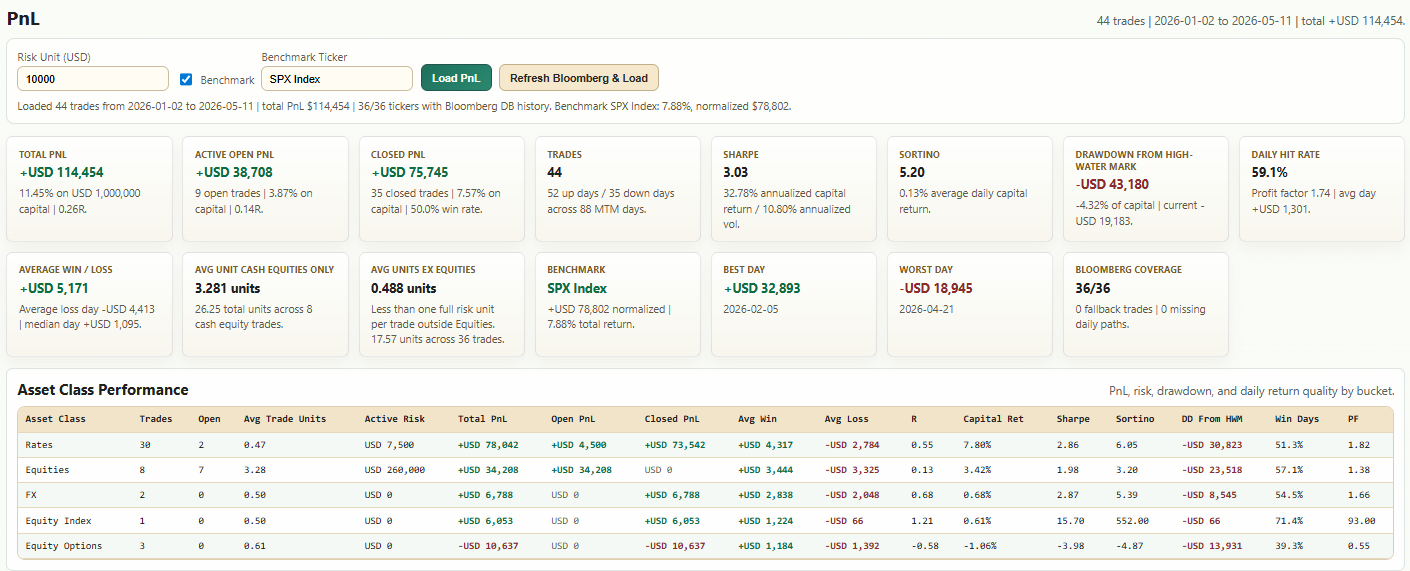
To read more please become a subscriber, all subscribers gain access to the www.globalmacromethod.com website where G5 rates curves, models and equities metrics are maintained. Additionally all paid subs can see the performance of the research with trades paired to the themes and tracked.